

The Adult Creator Economy Doesn't Have an Access Problem. It Has an Exclusivity Problem.
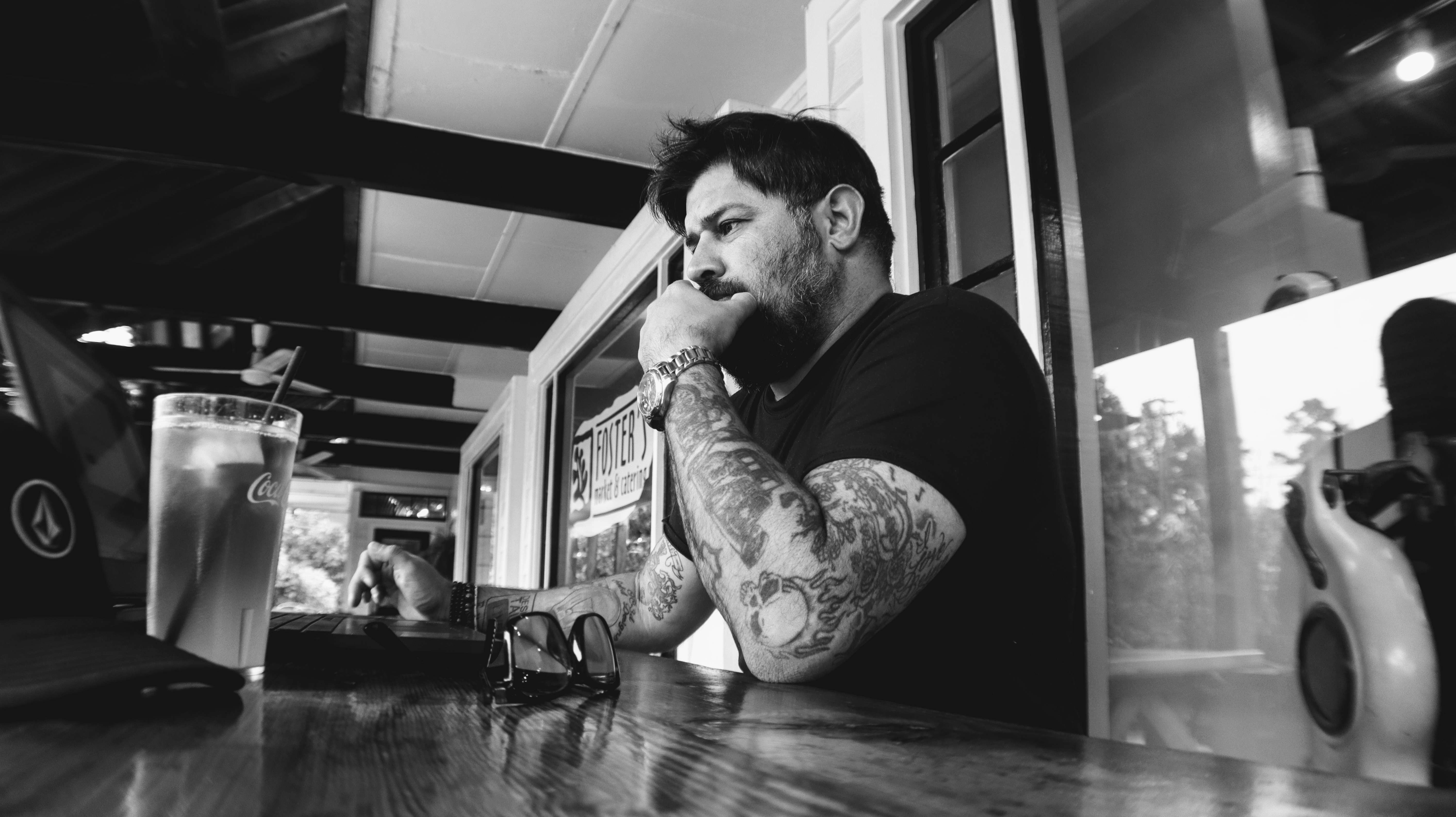

By Joseph Haecker
For nearly a decade, the adult creator economy has sold creators a remarkably compelling promise. The message has been simple, intuitive, and seemingly empowering: become more available, respond more quickly, share more of yourself, and greater financial success will follow. More messages become more money. More customs become more money. More conversations become more money. More intimacy becomes more money.
At first glance, this appears to be one of the most empowering business models ever created. Historically, performers depended upon agents, studios, publishers, distributors, and gatekeepers to determine who deserved visibility and who deserved compensation. The emergence of subscription platforms fundamentally altered that relationship. Women who once needed entire production companies suddenly discovered they could monetize audiences directly from a smartphone, a ring light, and an internet connection.
In many ways, it was revolutionary. When OnlyFans launched in 2016, it quietly entered a crowded landscape of membership platforms. Few people anticipated that within just a few years it would become one of the fastest-growing creator businesses in history. During the COVID-19 pandemic in 2020, millions of workers lost traditional employment, sought alternative income streams, and turned toward creator platforms. By 2023, OnlyFans reported processing more than seven billion dollars in fan spending annually and supporting over four million creators worldwide. By late 2024 and early 2025, industry observers estimated that creator accounts had grown to approximately 4.6 million.
The headlines surrounding the industry made it sound as though everyone was getting rich. Articles frequently highlighted creators earning six figures per month, purchasing homes, traveling internationally, or retiring family members. These stories were compelling because they represented extraordinary outcomes. However, extraordinary outcomes are rarely representative of typical experiences. Entertainment industries have always had celebrities, and the adult creator economy is no different.
Independent analyses conducted throughout 2023 and 2024 suggested that the median OnlyFans creator earns somewhere between $150 and $200 per month. Other studies estimated that nearly one-third of creators earn less than fifty dollars monthly. At the opposite end of the spectrum, researchers estimate that roughly one percent of creators capture approximately one-third of all revenue generated on the platform. The top one-tenth of one percent reportedly earn hundreds of thousands of dollars every month. In other words, the economics of adult content resemble Hollywood, professional sports, and music far more than people realize.
Unfortunately, the conversation within the creator economy is overwhelmingly dominated by stories from the top performers. It is not difficult to understand why. People are naturally attracted to success stories. Agencies showcase their highest-earning clients because those clients attract new talent. Platforms highlight their biggest earners because those creators inspire participation. Software companies feature successful creators because they demonstrate the value of their products. Yet the vast majority of creators live in a very different reality.
Many creators are not building media companies. They are building demanding service businesses. They wake up each morning responsible for photography, editing, bookkeeping, scheduling, community management, customer service, sales, accounting, taxes, social media marketing, search engine optimization, and maintaining relationships with subscribers. They often perform all of these responsibilities while simultaneously being expected to remain physically attractive, emotionally engaging, sexually available, and perpetually enthusiastic.
Eventually, exhaustion becomes inevitable. In 2025, Creators for Mental Health released findings suggesting that approximately 62% of creators reported symptoms associated with burnout. Nearly 70% described experiencing financial instability. Researchers also found that creators were almost twice as likely as average American adults to report suicidal thoughts. Approximately 89% indicated they lacked access to mental health resources specifically designed for creators and influencers.
These statistics should concern everyone participating in the creator economy. Burnout is not merely a productivity issue. Burnout frequently emerges when professional boundaries slowly disappear. The adult creator economy has largely conditioned creators to believe that increasing accessibility produces increasing revenue. More responsiveness creates more retention. More conversations create more loyalty. More access creates more subscriptions. The assumption seems obvious, but history suggests something very different.
Access rarely creates prestige. Exclusivity creates prestige.
Luxury brands understand this principle instinctively. Hermès does not allow customers to purchase a Birkin bag whenever they choose. Rolex intentionally limits supply. Private clubs maintain waiting lists. Hollywood actors rarely answer direct messages from audiences. Traditional magazines spent decades cultivating desire by placing individuals on covers and presenting them as noteworthy, aspirational, and elevated. People do not simply value things because they are available. People value things because they appear meaningful, difficult to obtain, and socially significant.
Ironically, adult creators already possess many of the ingredients necessary to cultivate exclusivity. They have audiences. They have expertise. They have stories. Many creators are entrepreneurs, investors, parents, travelers, artists, athletes, advocates, and philanthropists. Yet the infrastructure surrounding them rarely encourages them to explore these identities. Instead, creators are repeatedly told that their greatest asset is direct access to themselves.
I believe this may be one of the industry's greatest missed opportunities.
The adult creator economy did not necessarily create an access problem. It may have accidentally created an exclusivity problem. The ecosystem optimized itself around immediate monetization because immediate monetization is easy to measure. Platforms can measure subscriptions. Agencies can measure conversion rates. Software companies can measure engagement metrics. Investors can measure annual recurring revenue. Almost nobody measures dignity, reputation, narrative ownership, or whether a creator is building a life they still want to be living ten years from now.
This becomes especially important when creators attempt to evolve beyond adult content. Former sex workers frequently describe difficulties transitioning into traditional employment, launching mainstream businesses, or seeking partnerships outside the industry. Comprehensive studies remain limited, but qualitative research consistently documents experiences involving stigma, discrimination, and professional barriers. This does not necessarily happen because creators lack talent or business acumen. It often happens because they lack narrative ownership.
Search results become reputations. Reputations become opportunities.
For decades, traditional magazines functioned as prestige machines. People framed magazine covers. Businesses displayed interviews in lobbies. Authors cited articles in biographies. Being featured in a publication created social proof that extended far beyond the publication itself. Adult creators have generated billions of dollars in economic activity while receiving remarkably little independent editorial coverage documenting who they are outside of adult content.
What if creators were known for more than subscriber counts? What if creators could discuss investing, travel, motherhood, philanthropy, entrepreneurship, fitness, technology, or artificial intelligence? What if they could be recognized as business owners rather than simply performers? What if articles, interviews, and features became permanent assets that continued working long after subscriptions stopped renewing?
This is one of the reasons I believe creators need access to a free and independent press. Not a publication designed to sell subscriptions. Not a publication designed to maximize direct message revenue. Simply a publication designed to tell stories, elevate voices, and document accomplishments. Prestige compounds. Narratives compound. Search visibility compounds. A well-written interview may still appear in search results years after someone leaves a platform.
The second missing component is independent social infrastructure. Subscription platforms monetize creators, but they were never designed to function as neutral promotional spaces. Businesses rarely advertise inside their own cash registers. Restaurants advertise in newspapers. Movie studios appear on television. Authors participate in podcasts. Musicians give interviews. People naturally seek third-party environments where they can establish credibility and build awareness.
That realization eventually led me to build Sxgram. Sxgram was not born inside Y Combinator. It did not emerge from Techstars. It was not unveiled at SXSW by founders wearing matching startup hoodies. It was a side project that emerged from frustration after years of watching adults operate legitimate businesses while wondering if an algorithm might quietly decide they no longer deserved visibility.
Sxgram begins with a simple assumption: Adults running legal businesses deserve to be treated like adults running legal businesses. No shame. No shadow bans. No moral grandstanding. No pretending that billions of dollars of economic activity somehow should remain invisible. Just adults talking to adults, promoting businesses, pursuing opportunities, and building communities.
Perhaps the next decade of the creator economy will not belong to those willing to reveal the most. Perhaps it will belong to creators who cultivate the strongest reputations, diversify revenue streams, establish prestige through independent media, and participate in social ecosystems designed to respect them as entrepreneurs first.
Perhaps the adult creator economy never had an access problem at all.
Perhaps it simply forgot that exclusivity, narrative ownership, and dignity have always been among the most valuable assets any business can possess.
About Joseph Haecker
Joseph Haecker is an entrepreneur, publisher, speaker, and media strategist focused on helping people and businesses move from renting attention to owning participation ecosystems. He is the creator of the User-Generated Content Digital Magazine licensing program, a publishing model that combines the prestige of traditional magazines with the engagement mechanics of social media platforms, enabling brands, thought leaders, communities, and organizations to launch media properties that can often be operated by just one or two people.
Over the course of his career, Joseph has founded and led numerous startups, raised approximately $4.5 million in funding for his own ventures, and mentored founders whose companies have collectively raised more than $80 million. He has managed teams of more than 150 employees and 1,200 contractors globally, served as a Fractional Chief Marketing Officer, hosted podcasts, authored twenty-six books, and spoken on entrepreneurship, media, marketing, and community building. Prior to entering the startup ecosystem, Joseph spent years designing custom lighting systems for luxury residences, hotels, casinos, and commercial developments throughout North America.
Joseph currently serves as Editor-in-Chief of Only Fans Insider Magazine, a free and independent publication dedicated to documenting the stories, businesses, and achievements of creators, agencies, and companies operating within the creator economy. He is also the founder of Sxgram, an independent social platform designed for adults conducting legal businesses who seek professional social infrastructure without the fear of censorship, shadow banning, or stigma.
His work is guided by a simple belief: the next generation of influential companies will not merely advertise products or purchase attention from Google and Meta. They will build media companies, cultivate participation ecosystems, and own the conversations taking place within their industries. Through publishing, software, and licensing, Joseph's mission is to make those business models more accessible to entrepreneurs, creators, nonprofits, and communities around the world.
Joseph is a single father, an avid student of emerging ecosystems, and a firm believer that everyone has a story worth telling. Whether launching magazines, building social platforms, or helping brands rethink their relationship with customers, his focus remains the same: creating infrastructure that allows people to participate, contribute, and become part of something larger than themselves.


Comments